
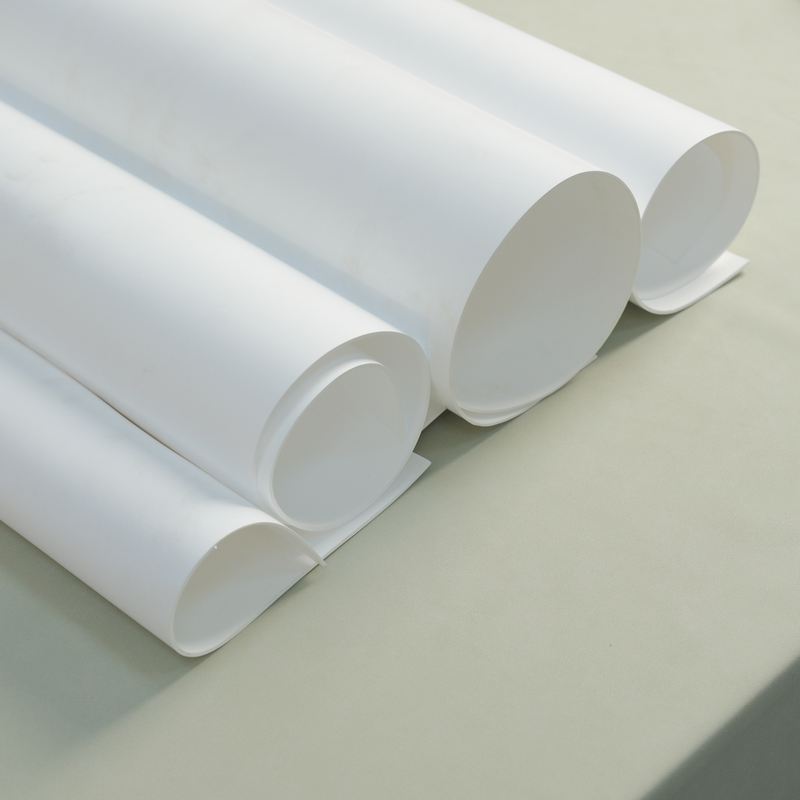
FORWA PTFE Sheet
Polytetrafluoroethylene sheet · High-performance engineering plastic sheet · King of Plastics
FORWA · SINCE 1993
Product Introduction
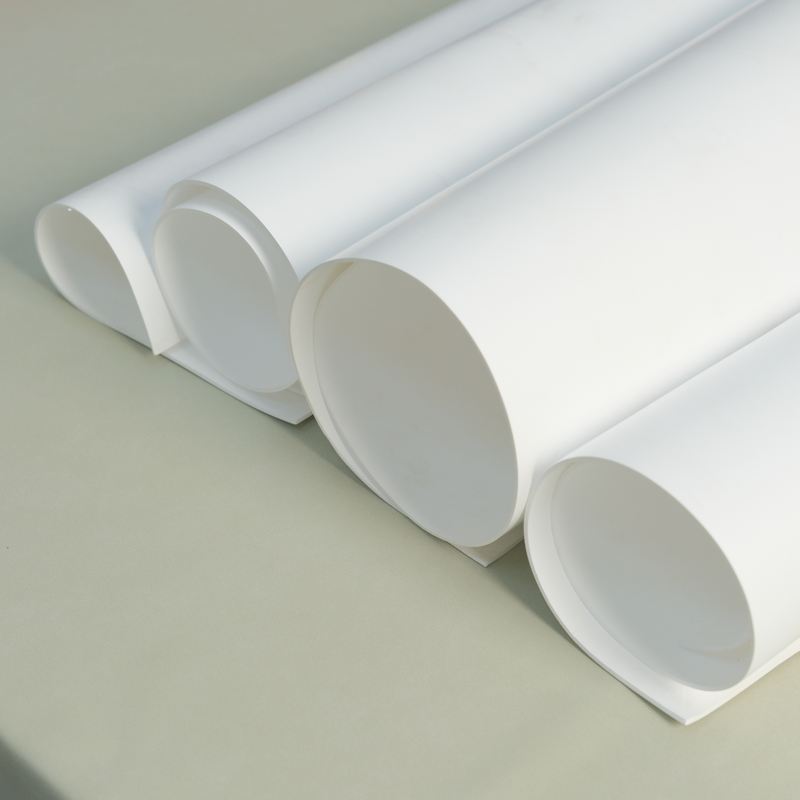
Polytetrafluoroethylene sheet (PTFE sheet) is a high-performance engineering plastic sheet made from Polytetrafluoroethylene resin as the main raw material through processes such as molding and sintering. PTFE is also known as the "King of Plastics" and has excellent chemical stability, high temperature resistance, and a low coefficient of friction. It is an indispensable high-performance material in modern industry.
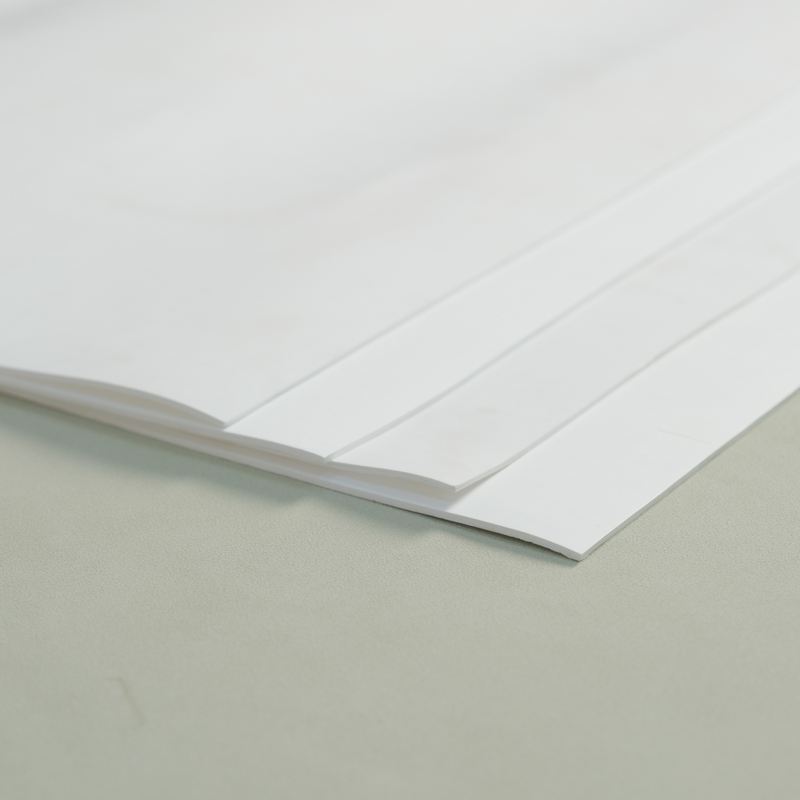
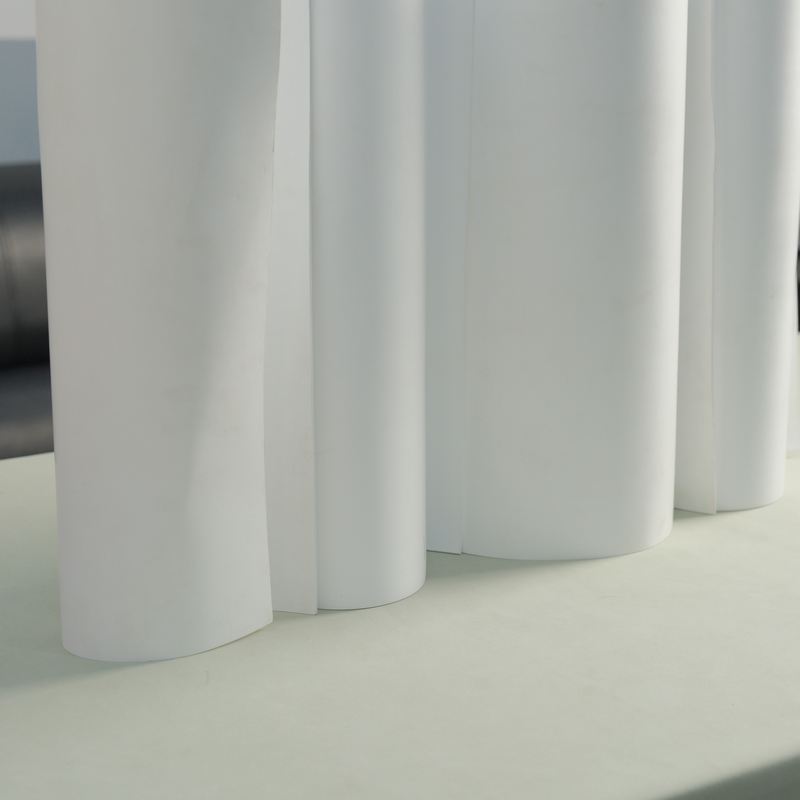
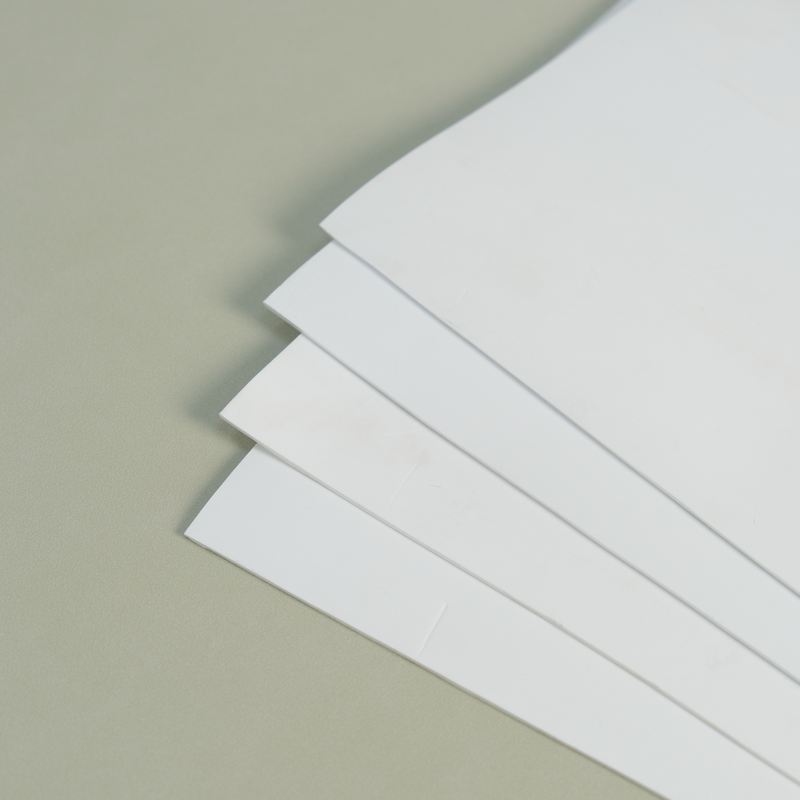
FORWA PTFE Sheet is strictly controlled in raw material formulation and molding process. The product has uniform density and a flat surface, suitable for industrial scenarios with high precision and cleanliness requirements. The sheet has excellent chemical resistance, wide temperature range applicability, ultra-low coefficient of friction, excellent electrical insulation, and a non-stick surface. It is widely used in chemical, mechanical, electronics and electrical, food and pharmaceutical, aerospace, and other fields.
Product Parameters
| Product Name | FORWA PTFE Sheet | Material | 100% pure PTFE (Polytetrafluoroethylene) |
| Density | 2.1–2.3 g/cm³ (typical value 2.2 g/cm³) | Melting Point | 327℃ |
| Service Temperature | -200℃ to +260℃ | Coefficient of Friction | 0.04–0.15 |
| Tensile Strength | 20–35 MPa | Elongation at Break | 200–400% |
| Volume Resistivity | > 10¹⁸ Ω·cm | Dielectric Constant | 2.1–2.2 (10⁶ Hz) |
| Surface Tension | 18.5 dyn/cm | Hardness (Shore D) | 50–65 |
Detailed Performance Data
| Performance Indicator | Value Range | Test Standard |
|---|---|---|
| Density | 2.1–2.3 g/cm³ | ASTM D792 |
| Tensile Strength | 20–35 MPa | ASTM D638 |
| Elongation at Break | 200–400% | ASTM D638 |
| Compressive Strength | 10–15 MPa | ASTM D695 |
| Hardness (Shore D) | 50–65 | ASTM D2240 |
| Melting Point | 327°C | ASTM D3418 |
| Continuous Service Temperature | -200°C to +260°C | - |
| Heat Deflection Temperature | 55°C (1.8MPa) | ASTM D648 |
| Thermal Conductivity | 0.25 W/(m·K) | ASTM C177 |
| Volume Resistivity | >10¹⁸ Ω·cm | ASTM D257 |
| Surface Resistivity | >10¹⁷ Ω | ASTM D257 |
| Dielectric Constant (10⁶Hz) | 2.1–2.2 | ASTM D150 |
| Dielectric Strength | 60 kV/mm | ASTM D149 |
| Static Coefficient of Friction | 0.04–0.10 | - |
| Dynamic Coefficient of Friction | 0.04–0.15 | - |
| Wear Rate | 10⁻⁶–10⁻⁷ mm³/N·m | - |
Core Advantages
Excellent Chemical Resistance
Almost unaffected by any chemicals, resistant to almost all strong acids, strong alkalis, strong oxidants, and organic solvents. Not affected by ultraviolet light or ozone, with stable performance during long-term use.
Wide Temperature Range Applicability
Maintains stable performance from -200℃ ultra-low temperature to +260℃ high temperature. Melting point 327℃, meeting long-term use requirements under extreme working conditions.
Ultra-Low Coefficient of Friction
Coefficient of friction as low as 0.04–0.15, the lowest among all plastics. Excellent self-lubricating performance reduces friction and wear of mechanical moving parts and lowers energy consumption.
Excellent Electrical Insulation
Volume resistivity > 10¹⁸ Ω·cm, dielectric constant 2.1–2.2, dielectric loss 0.0001–0.0005, stable performance at high frequencies, suitable for high-frequency cables and precision electronic equipment.
Industry Pain Points Solved
| Traditional Pain Points | FORWA PTFE Sheet Solution |
|---|---|
| Corrosion problems: corrosion of equipment by strong acids, strong alkalis, and other corrosive media | Chemical inertness, almost unaffected by any chemicals, long-term corrosion protection |
| Adhesion problems: adhesion and blockage of materials during processing and conveying | Extremely low surface energy (18.5 dyn/cm), almost no adhesion to any substance |
| Friction problems: friction and wear of mechanical moving parts | Coefficient of friction 0.04–0.15, self-lubricating to reduce wear and energy consumption |
| Sealing problems: unreliable sealing, easy leakage | Provides reliable sealing solutions to prevent leakage |
| High-temperature environments: ordinary materials degrade in performance under high-temperature conditions | Stable across -200℃ to +260℃, melting point 327℃ |
| Cleanliness requirements: hygiene requirements in food and pharmaceutical industries are difficult to meet | Non-toxic, non-stick, easy to clean, complies with food and pharmaceutical industry standards |
| Insulation requirements: insufficient insulation performance of general materials | Volume resistivity > 10¹⁸ Ω·cm, stable performance at high frequencies |
Applications
Chemical Industry
- Reaction vessel linings (strong acid and strong alkali reactors)
- Chemical pipelines, valves, pump body linings and seals
- Storage tanks, towers, heat exchangers anti-corrosion treatment
Mechanical Manufacturing
- Low-friction bearings, sliding guides
- Silent gears, precision transmission components
Electronics and Electrical
- High-frequency cable insulation, circuit board substrates
- High-temperature connectors, sockets
- Semiconductor wafer processing equipment parts
Food and Pharmaceutical
- Food processing equipment non-stick coatings, conveyor belts
- Pharmaceutical reactor linings, piping systems
- Medical device catheters, implantable devices
Aerospace
- Aircraft hydraulic system seals
- Aerospace electronic equipment insulation
- Precision instrument wear-resistant parts
Comparison with Traditional Materials
| Feature | FORWA PTFE Sheet | Metal Sheet | Ordinary Plastic Sheet |
|---|---|---|---|
| Chemical Resistance | Inert to almost all chemicals | Easily corroded by acids and alkalis | Limited corrosion resistance |
| Temperature Resistance Range | -200℃ to +260℃ | Strength decreases at high temperature | -20℃ to +80℃ (typical) |
| Coefficient of Friction | 0.04–0.15, self-lubricating | Relatively high, requires lubrication | Medium |
| Insulation Performance | Volume resistivity > 10¹⁸ Ω·cm | Conductive | General |
| Non-Stick Property | Extremely low surface energy, almost no adhesion | Easy adhesion and scaling | General |
| Hygienic Safety | Non-toxic, food and pharmaceutical grade | May release metal ions | May contain additives |
Authoritative Certifications
King of Plastics · An Indispensable High-Performance Material in Modern Industry
FORWA PTFE Sheet uses 100% pure Polytetrafluoroethylene resin as raw material and is made through molding and sintering processes, with uniform density and a flat surface. It features excellent chemical resistance, -200℃ to +260℃ wide temperature range stability, 0.04–0.15 ultra-low coefficient of friction, excellent electrical insulation, and a non-stick surface. It is widely suitable for chemical, mechanical, electronics and electrical, food and pharmaceutical, aerospace, and other fields, providing reliable long-life, low-maintenance solutions for harsh industrial environments.








Frequently Asked Questions (FAQ)
- What does this article mainly introduce?
FORWA PTFE Sheet product introduction, using 100% pure Polytetrafluoroethylene resin as raw material.
- Which category does it belong to?
Product / Fluoroplastic Products
- What are the product parameters?
Density 2.1–2.3g/cm³, coefficient of friction 0.04–0.15, volume resistivity >10¹⁸Ω·cm, temperature resistance -200℃~+260℃.
- What are the core advantages?
Excellent chemical resistance, wide temperature range applicability, ultra-low coefficient of friction, excellent electrical insulation.